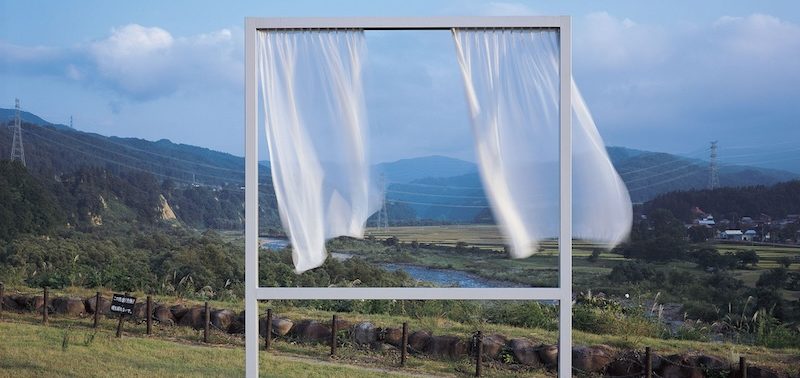
Installation view, Echigo-Tsumari Art Triennale. Courtesy of artist and Echigo-Tsumari Triennale.
News
The News section highlights a curated selection of events from the contemporary art world, revealing the range of opportunities available to artists, curators and art professionals seeking to present their work on prominent stages.
Through our combination of curatorial expertise, strategic guidance, and an international network of partners, RFA Projects supports artists in developing and realizing their concepts. We aim to connect artistic vision with the right institutional and cultural context, helping works reach influential audiences and resonate meaningfully within the global contemporary art landscape.
HELSINKI BIENNIAL 2027
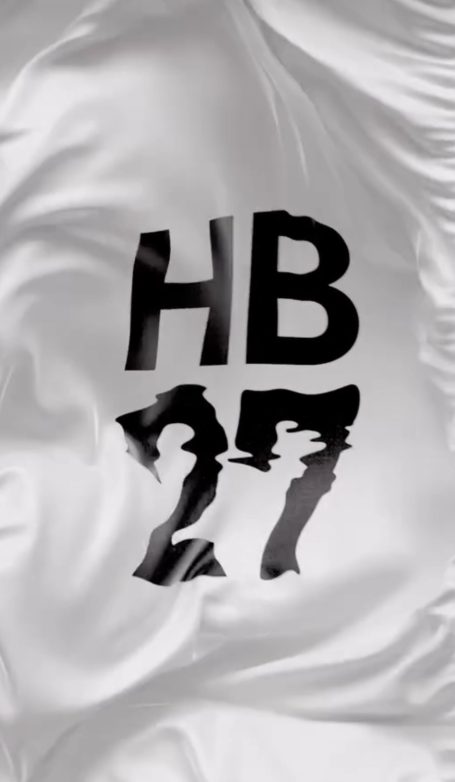
© Helsinki Biennial 2027
Helsinki Becomes a Field of Attention Once More
Fourth Edition
From 6 June to 19 September 2027, the city hosts the fourth edition of the Helsinki Biennial, unfolding across time, place, and water. Rather than presenting art as spectacle, the Biennial approaches it as a signal — something to be encountered slowly, perceived through movement, landscape, and duration.
Set across multiple sites, including coastal and island locations, the Biennial positions art within the rhythms of the city and its surrounding environment. Works appear not as isolated objects, but as presences in relation: to weather, to light, to infrastructure, and to the everyday paths of residents and visitors alike. The experience extends beyond the exhibition space, inviting attention rather than demanding it.
The Helsinki Biennial has established itself as a platform for contemporary practices that engage with ecology, temporality, and public space. Its curatorial approach emphasizes dialogue over display, encouraging encounters that unfold through walking, waiting, and returning. Art becomes something that accompanies the viewer — a marker within the landscape rather than a destination.
Water plays a central role, not only as setting but as connective tissue. The city’s maritime geography shapes how works are accessed, perceived, and remembered. Movement between sites becomes part of the experience, reinforcing the Biennial’s focus on continuity, circulation, and awareness.
The 2027 edition continues this trajectory, offering a framework in which art operates as a form of orientation — subtle, reflective, and responsive to its context. It asks what it means to pay attention today, and how contemporary art can exist in public space without overwhelming it.
The fourth Helsinki Biennial invites audiences to follow the light — to observe, to linger, and to remain open to what emerges along the way.
BEIJING ART BIENNALE
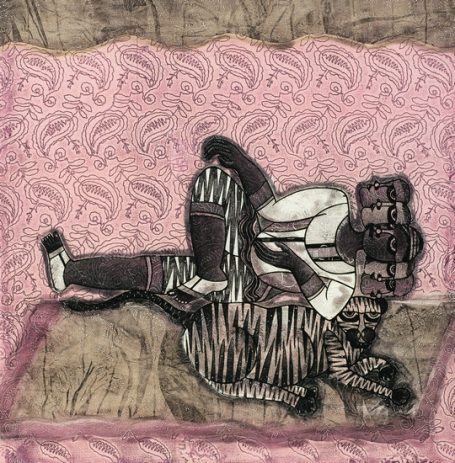
Photo: Ahakti Lalsa, Sonal Varshneya, 2010, courtesy of the artist and BIAB.
Archive of Light and Becoming
10th Edition
In the heart of the world’s most ancient capital, beneath the weight of histories and futures intertwined, the Beijing International Art Biennale (BIAB) stands not merely as an exhibition, but as a living architecture of cultural encounter. Since its inception in 2002, this biennale has summoned over 5,000 artists from more than 100 countries into a shared field of creation — a tapestry woven from paint, stone, memory, and intention.
Here, art is not spectacle — it is an ongoing negotiation with time. Painting and sculpture, the old languages of human expression, remain at the core, enduring like relics that do not fossilize, but breathe. Their presence is a testament: tradition is not an obstacle to innovation, it is the foundation upon which the new is negotiated and revealed. In a world of flickering impulses, BIAB insists on the shelf, the frame, the monolith — grounding us in the gravity of form.
The Biennale’s guiding spirit is a commitment to harmony: not the hollow peace of platitude, but the fragile, strenuous harmony born from collision, reflection, and exchange. In every edition, the theme resonates with the lived reality of our time — the unquiet questions of history, the urgent contours of the present, and the shared destiny of the global. Here, art becomes both mirror and compass, reflecting what we have been and pointing toward what we might yet become.
From the masters whose names have already entered canon to the young voices yet to be inscribed in history’s ledger, each contribution is a thread in a vast, luminous network. Installations and video works extend the dialogue, but at BIAB, classic expression remains the heartbeat — a symbol of continuity amidst the flux.
The 2025–2026 Biennale (Dec 31 — Feb 1) returns with this conviction: art is our collective testimony, and through it we speak the oldest of human wishes — for peace, for understanding, for a world that listens.
ECHIGO-TSUMARI ART FIELD
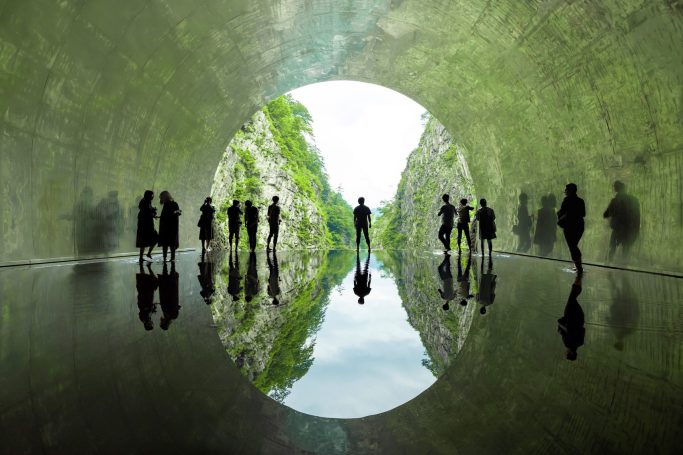
Summer, 2027
Art as Guiding Light
Echigo-Tsumari Triennale 2027
Since its inception in 2000, the Echigo-Tsumari Art Triennale has stood as a pioneer of regional art festivals in Japan and one of the largest art events worldwide. Set within the Echigo-Tsumari Art Field in Niigata Prefecture, the triennale unfolds across a rural landscape shaped by heavy snowfall, ageing communities, and depopulation—yet still deeply rooted in satoyama life, where people and land remain intimately connected.
Artworks are installed throughout fields, forests, villages, schools, and abandoned structures, transforming the region into a living exhibition where art functions as a guiding light—leading visitors through nature, memory, and shared experience. Moving slowly between sites becomes part of the encounter: walking, driving, and listening to the land are as essential as viewing the works themselves.
More than a temporary exhibition, the Echigo-Tsumari Art Triennale proposes an alternative model for contemporary art—one grounded in duration, care, and coexistence. Many works remain permanently in place, forming an evolving constellation that can be encountered year-round, long after the festival season ends. Artists collaborate closely with local residents, embedding stories, labour, and daily rituals into the fabric of the artworks.
Held every three years, the triennale has gained international recognition as a leading example of art-led community building. Previous editions have welcomed hundreds of thousands of visitors from Japan and abroad, generating sustainable economic impact while fostering cultural exchange across generations and geographies.
As it returns in 2027, the Echigo-Tsumari Art Triennale continues its long-standing dialogue between art, land, and life—affirming art not as spectacle, but as presence, continuity, and shared future.
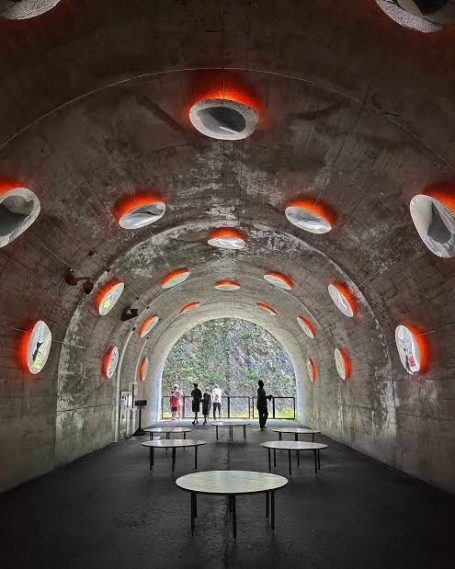
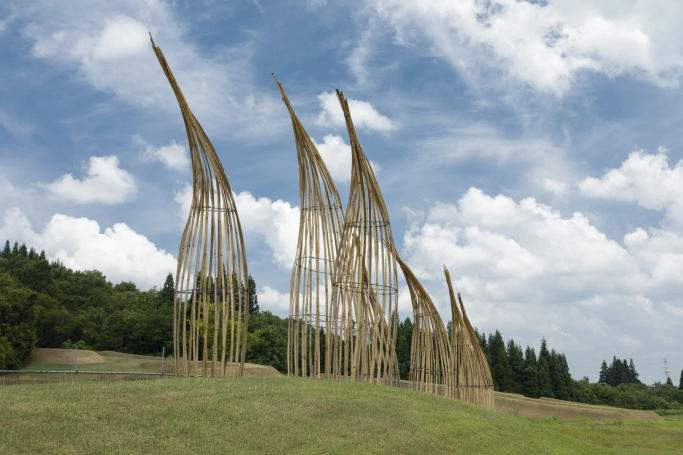
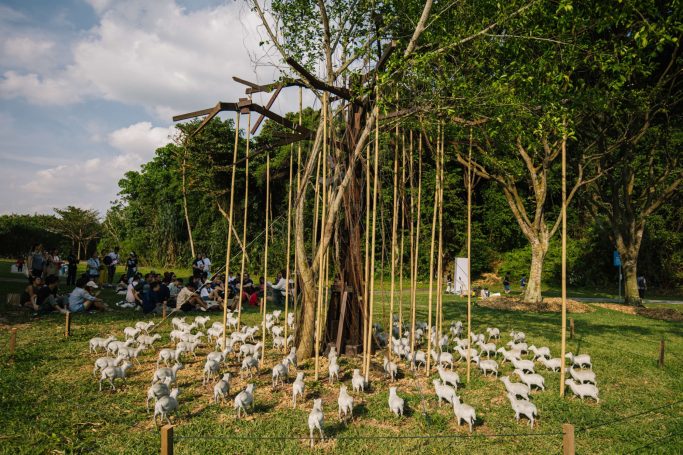
Images: (1 & 2) Installation view, Tunnel of Light, 2018, courtesy of MAD Architects and Echigo-Tsumari Art Triennale. (3) Utsumi Akiko, Winds on Field, courtesy of artist and Echigo-Tsumari Art Triennale.
COPENHAGEN TRIENNALE 2027
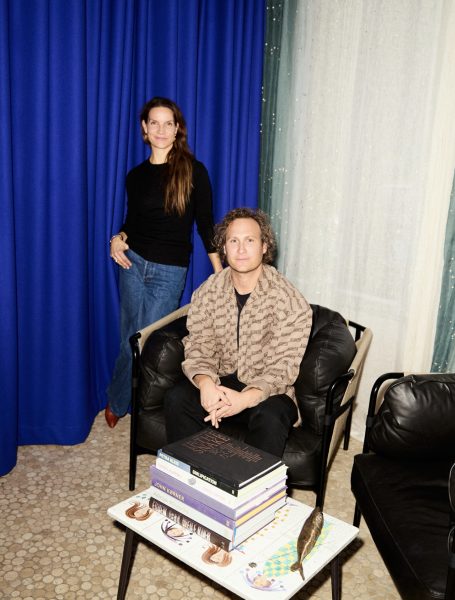
Marie Nipper and Simon Friese, directors Creator
Projects. Photo: Petra Kleis.
New Constellation of Art
Copenhagen announces new contemporary art triennial
The City of Copenhagen has announced the launch of a new contemporary art triennial, with its inaugural edition scheduled for 2027. The initiative follows a 2023 decision by the city to allocate DKK 50 million to establish a major recurring art event, marking a significant investment in the cultural future of the Danish capital.
A dedicated Triennial Association has been formed, co-founded by the City of Copenhagen, and the Copenhagen-based art agency Creator Projects has been appointed as artistic director. The agency is known for shaping ambitious commissions and exhibitions across the Nordic region, including Alicja Kwade’s site-specific Matter of Void (2025) in Horsens, Alexander Tovborg at Kunsthal Charlottenborg (2023), and Pierre Huyghe at Espoo Museum of Modern Art (EMMA).
Positioned within a region of growing artistic momentum, the Copenhagen Triennial aims to foster collaboration between artists, institutions, and cultural actors, establishing the city as a vital meeting point for contemporary art in the Nordic and international context.
ART SINGAPORE
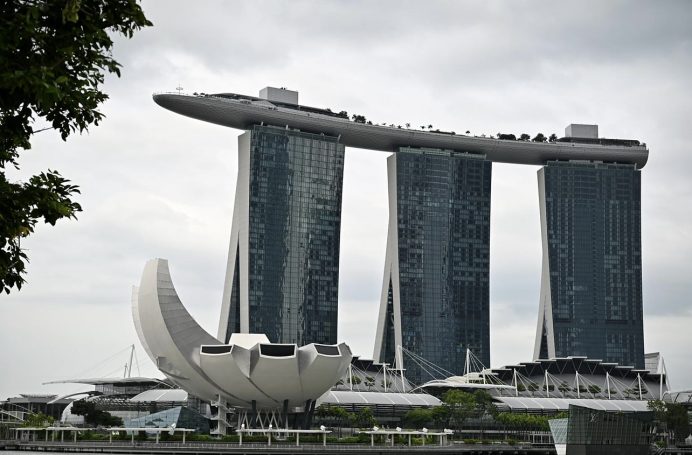
Januaery 23 – 25, 2026
A Prism of Contemporary Exchange
Art SG 2026
This January, ART SG returns to Marina Bay Sands, reaffirming Singapore’s role as a luminous crossroads in the global contemporary art landscape. From 23–25 January 2026, with Preview and Vernissage on 22 January, the fair once again gathers leading international and regional galleries, unfolding across a dynamic program of ambitious presentations, large-scale installations, moving image, and critical dialogue.
Positioned at the heart of Southeast Asia, ART SG has rapidly established itself as more than a market platform. It is a meeting point where artistic practices, institutional voices, and collecting cultures intersect — reflecting the region’s complexity while remaining in active conversation with global currents. Each edition proposes Singapore not simply as a host city, but as a prism through which diverse perspectives are refracted and reconfigured.
The 2026 edition continues this trajectory, foregrounding galleries whose programs span generations, geographies, and media. Alongside meticulously curated booth presentations, visitors encounter site-responsive installations and time-based works that expand the fair’s spatial and conceptual reach. Equally central is ART SG’s discursive dimension. Talks, panels, and conversations bring together artists, curators, collectors, and thinkers to address urgent questions shaping the present moment — from shifting notions of value and patronage to the cultural, political, and technological conditions influencing artistic production today. These exchanges position the fair as a space for reflection as much as for encounter.
For collectors, artists, institutions, and professionals, ART SG offers a unique vantage point on Southeast Asia’s rapidly expanding art ecosystem, while maintaining strong connections to Europe, the Americas, and the wider Asia-Pacific region. For the city of Singapore, the fair reinforces its role as a connector — a place where ideas circulate with clarity and ambition.
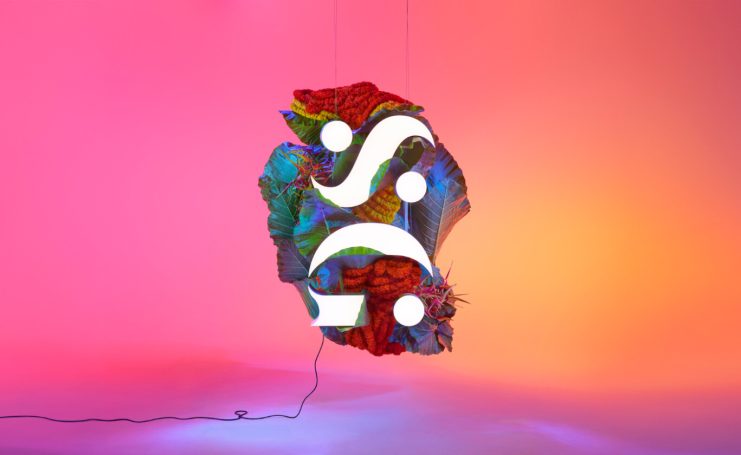
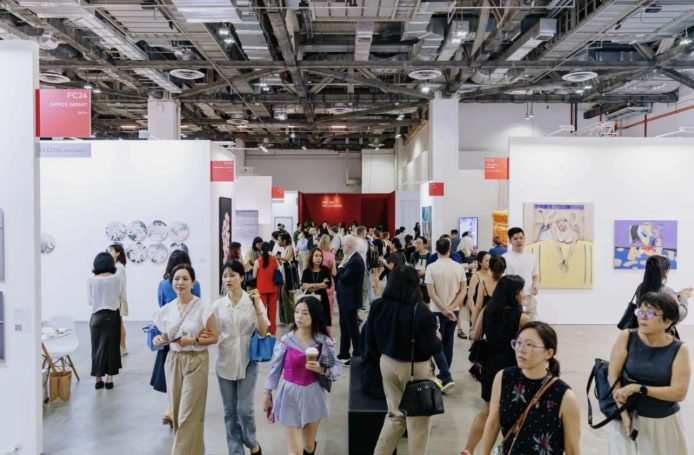
Images: (1) Photo: ST FILE (2 & 3) Official poster Art SG 2026, Art Singapore takes place at Marina Bay Sands. Courtesy of Art SG.
TOKYO ART BOOK FAIR 2025
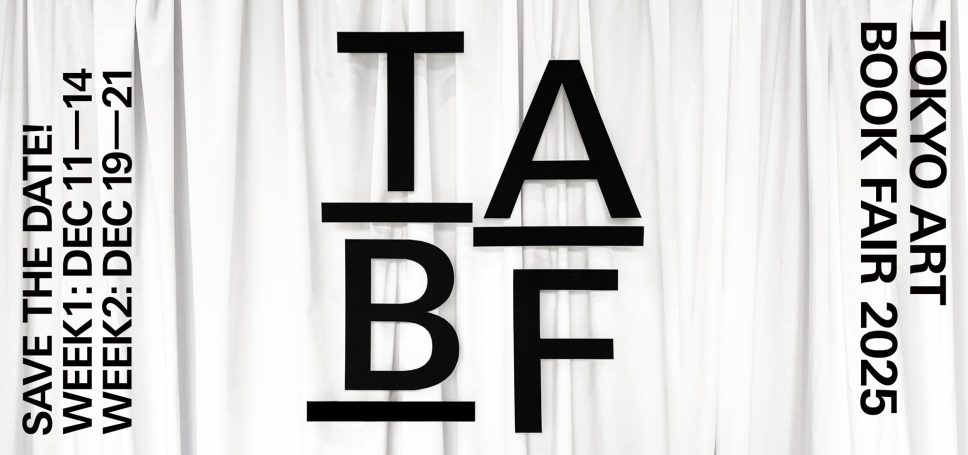
December 11-14 & 19-21, 2025
Ink Becomes Architecture
In Tokyo pages gather like cities
For its fifteenth edition, Tokyo Art Book Fair (December 11–14 & 19–21, 2025) does something rare: it expands duration. Spanning two weekends and seven days, TABF 2025 refuses the logic of immediacy. It grants printed matter what it has always required — time to be approached, handled, read, and returned to. At the Tokyo Museum of Contemporary Art, more than 560 publishers, galleries, artists, and independent presses assemble, forming a dense constellation of contemporary publishing practices from across the globe.
What unfolds is not simply a fair, but a temporary civic structure built of paper. Tables align like streets. Shelves form horizons. Spines act as facades, each marking a position in an ongoing conversation. Here, the book is not secondary to the artwork; it is the artwork — autonomous, intentional, and resistant to disappearance. TABF has long occupied a singular position within the international art book landscape. Neither commercial spectacle nor academic archive, it operates as an in-between space where experimentation is not peripheral but central. Artists’ books coexist with critical theory, design research, poetry, zines, and unclassifiable hybrids. The fair reads like a map of how ideas currently circulate — slowly, materially, and with care.
In 2025, Italy appears as guest country, not as a decorative theme but as a living publishing lineage. Its presence extends through dedicated booths, workshops, talks, and encounters, offering insight into a culture where the book has historically functioned as a site of political thought, typographic rigor, and aesthetic autonomy. Italian publishing here does not present nostalgia; it demonstrates continuity — how tradition mutates without dissolving.
Across the fair, one senses a shared insistence: books are not neutral. They carry ideology, ethics, and position. In an era dominated by frictionless images and algorithmic circulation, the printed page reasserts its weight. Paper slows the eye. Binding imposes sequence. Edition introduces limits — and with them, responsibility.
Here, books act as signals rather than commodities. Paper becomes resistance rather than substrate. Edition becomes memory rather than product. TABF 2025 quietly argues that publishing is still a form of world-building. That ideas need shelters. That thinking requires architecture. Within these pages, time is folded, knowledge is stored, and futures are rehearsed — not loudly, but precisely.
Tokyo Art Book Fair remains a place where printed matter gathers not to compete, but to coexist. A space where form and thought meet without urgency. A city built to be read.
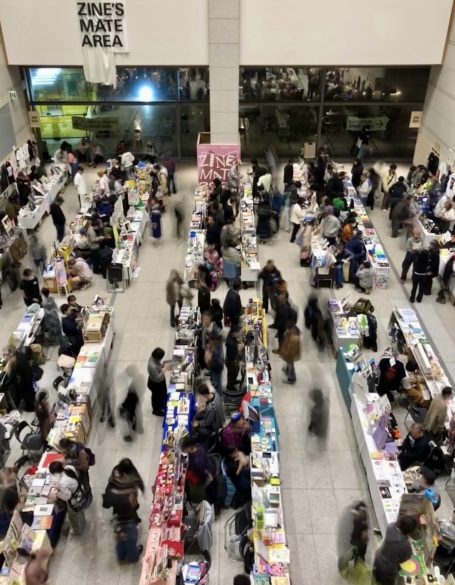
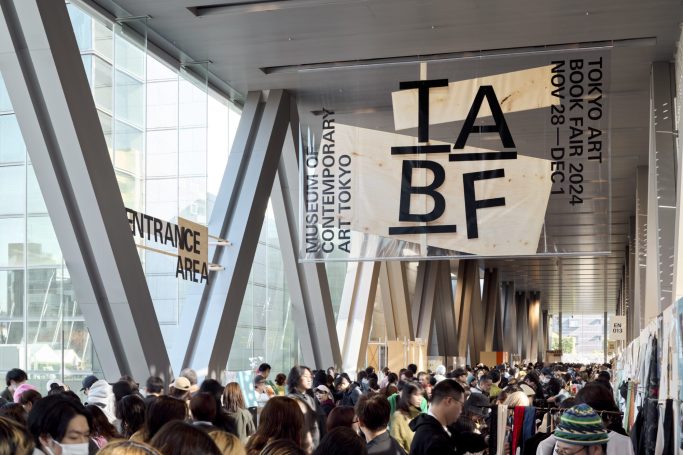
All images courtesy of TABF © All rights reserved
ROYAL SCOTTISH ACADEMY
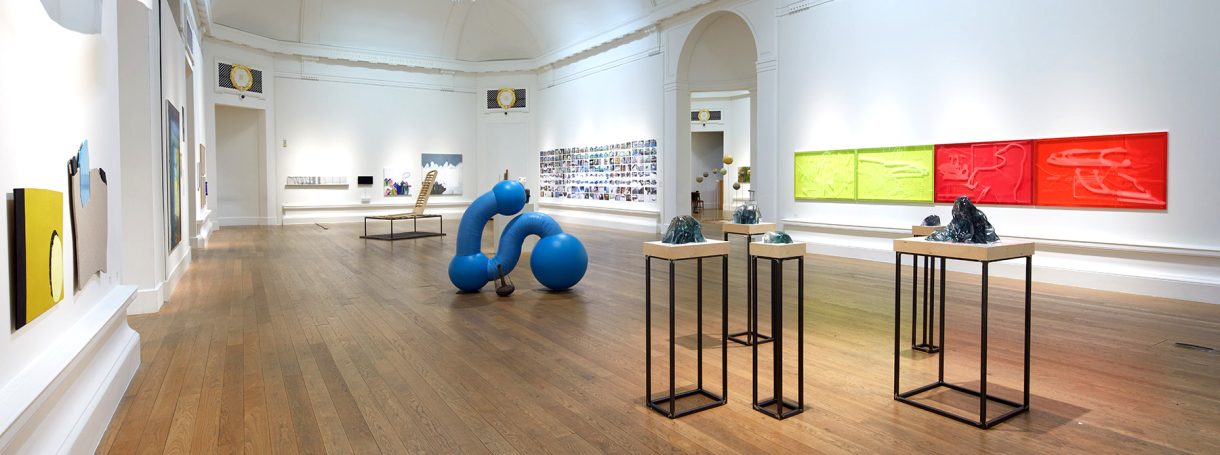
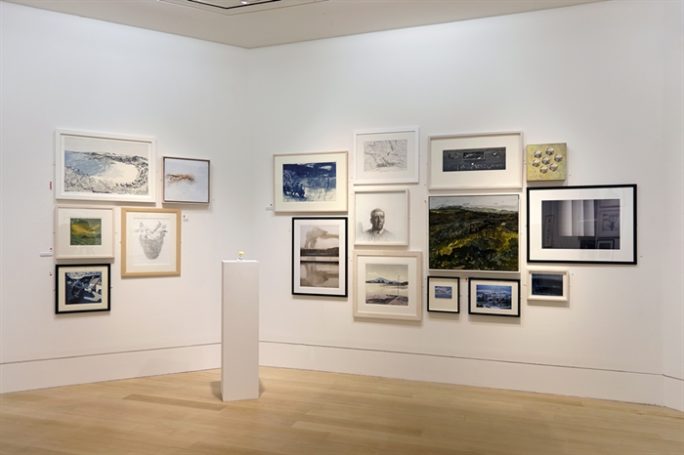
January 11 – February 4, 2026. Image courtesy: SSA and Royal Scottish Academy
History Does Not Conclude
It accumulates, listens, and opens forward
In January 2026, the Society of Scottish Artists presents its 127th Annual Exhibition in the Upper Galleries of the Royal Scottish Academy, Edinburgh. More than a recurring event, this edition unfolds as a moment of alignment: the SSA entering its 135th year, and the RSA marking two centuries of artistic stewardship. Time here is not commemorated as past, but activated as structure.
The exhibition situates contemporary practice within a long architectural lineage. The Upper Galleries become a site where generations speak across distance — not in opposition, but in continuity. What emerges is not nostalgia, but recognition: that artistic culture survives through transmission, not repetition.
As part of the RSA 200 celebrations, the SSA honours its lifelong association with the Academy by exhibiting three works from the RSA collection, created by its first three presidents: Robert Noble RSA, Robert Buchan Nisbet RSA, and James Cadenhead. These works do not stand as monuments; they function as anchors. Their presence affirms that foundations are not static — they are meant to support new weight.
Within this framework, the 127th Annual Exhibition asserts the role of the artist society as both guardian and conduit. The SSA does not merely preserve legacy; it maintains a living threshold where historical gravity and contemporary urgency meet. Here, tradition is not an enclosure. It is an aperture. A structure that allows the future to pass through with form.
• Royal Scottish Academy, Upper Galleries, Edinburgh
• January 11 – February 4, 2026
SINGAPORE BIENNALE 2025
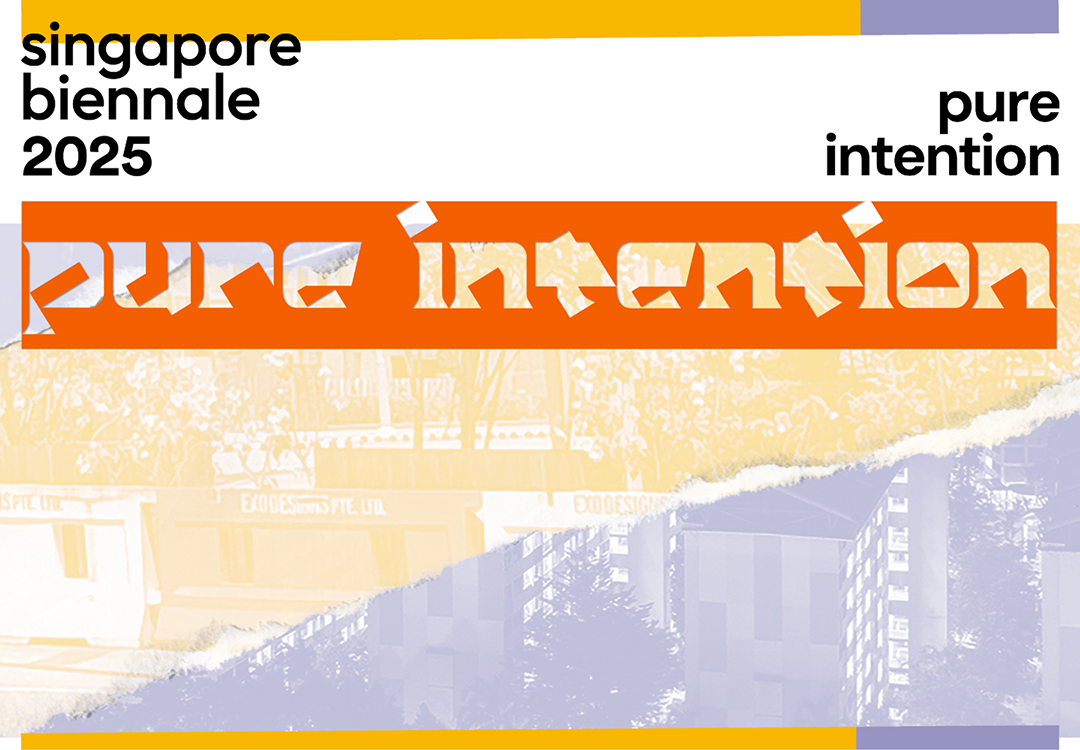
October 31, 2025 – March 26, 2026. Image courtesy of Singapore Biennale and Singapore Art Museum
Pure Intention
A city reads itself, streets become sentences
Singapore Biennale 2025 unfolds not as a singular site, but as a dispersed field of attention. Under the guiding notion of Pure Intention, contemporary art enters the city’s everyday environments — public spaces, neighbourhoods, green areas, and commercial interiors — inviting audiences to encounter Singapore not as a fixed image, but as a layered construction shaped by many hands and many histories.
The Biennale operates within the ordinary. Familiar places are not transformed through spectacle, but through focus. Art appears where routines already exist, asking viewers to slow down and notice the rituals, memories, and aspirations embedded in urban life. The city reveals itself as both planned and porous — structured, yet open to discovery and contradiction.
As part of the SG60 celebrations, the Biennale offers a moment of collective reflection. It acknowledges historic milestones while resisting closure, using art as a means to imagine futures that are shared rather than prescribed. The emphasis is not on commemoration, but on continuation: how a society narrates itself while remaining unfinished.
The curatorial framework reflects this multiplicity. Led by a network of curators — Duncan Bass, Hsu Fang-Tze, Ong Puay Khim, and Selene Yap — the Biennale brings together perspectives from Singapore and beyond. This distributed authorship mirrors the city itself: a convergence of voices rather than a single point of view. Here, intention does not declare itself loudly – it is precise, attentive, and relational. Art becomes a way of listening to place.
Singapore Biennale 2025 positions the city as both medium and message — a living archive where past, present, and possible futures coexist in the same streets.
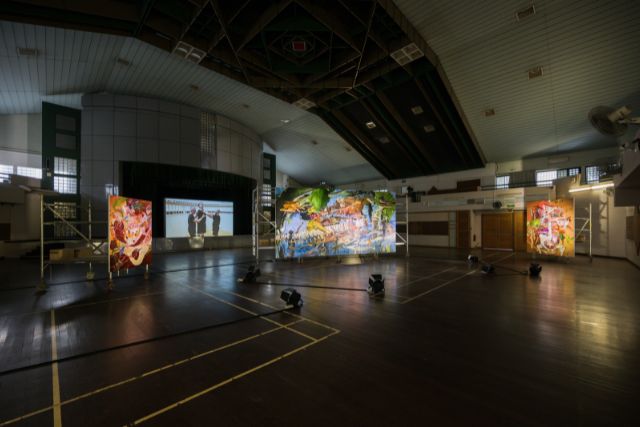
(1) Credit: SG60, courtesy of artist. (2) Love Was Taught Last Friday. Courtesy of Singapore Art Museum.
SUZHOU MUSEUM OF CONTEMPORARY ART
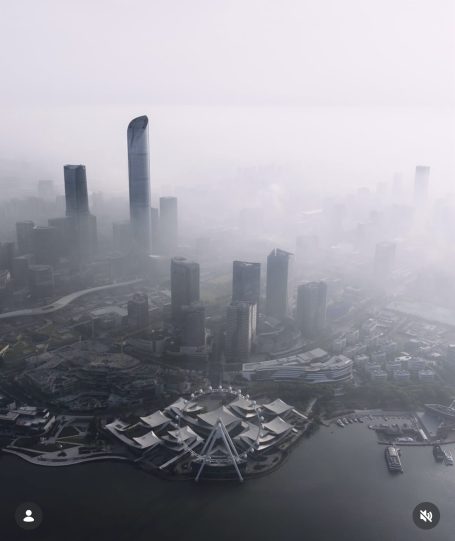
A Constellation Over Jinji Lake
Suzhou Museum of Contemporay Art 2026
In China, over the serene expanse of Jinji Lake, a new constellation emerges: twelve pavilions rise like islands of thought, each distinct yet interwoven by a luminous ribbon of light. Paths once defined by garden hedges now guide visitors through corridors that pulse with energy, where architecture itself becomes a meditation on water, reflection, and the passage of time.
Here, the museum does not merely occupy the lake — it dialogues with it. Surfaces mirror sky and water; spaces breathe with the rhythm of tides; light travels as if a conscious current, shaping perception and thought. Stone, recycled matter, and crafted wood converge, transforming “Materialism” into metamorphosis — a journey from earth to conscience, from raw matter to reflective experience.
Within these walls, exhibitions become living organisms. Sculptures whisper of past labor; paintings echo with collective memory; installations awaken sensory and philosophical reflection. Each pavilion, each gallery, becomes both a container and a conduit, a space where the physical and conceptual entwine.
This is a museum where matter learns its own language, where architecture becomes philosophy, and where the future converses with the permanence of stone. Here, light and water are teachers; here, creativity is a dialogue between reflection and action; here, the soul of material awakens. Suzhou Museum of Contemporary Art — a constellation over Jinji Lake, a laboratory for thought, a sanctuary where matter, light, and consciousness converge.
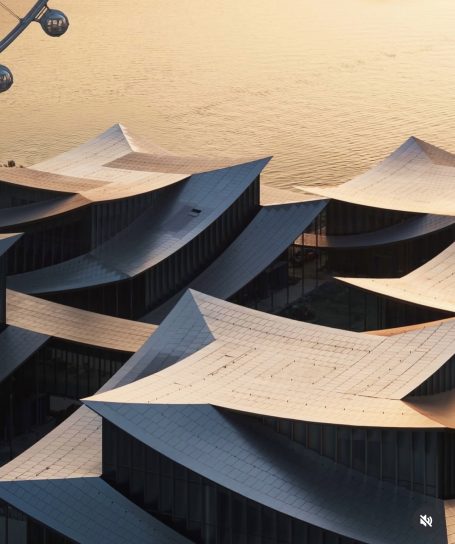
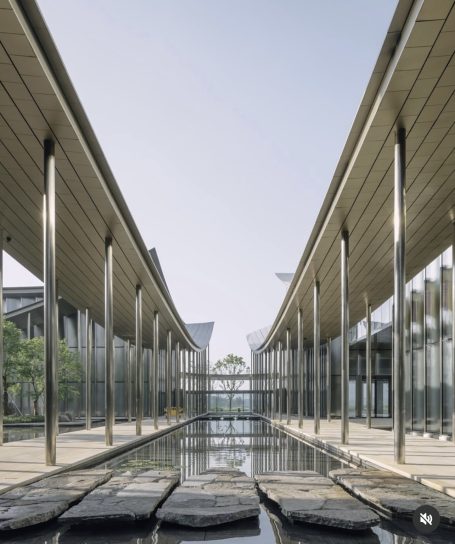
Images are courtesy of Ye Jianyuan and Suzhou Museum © All rights reserved